Alyscamps í Arles
Alyscamps: A Journey Through Time in Arles Ancient Necropolis :
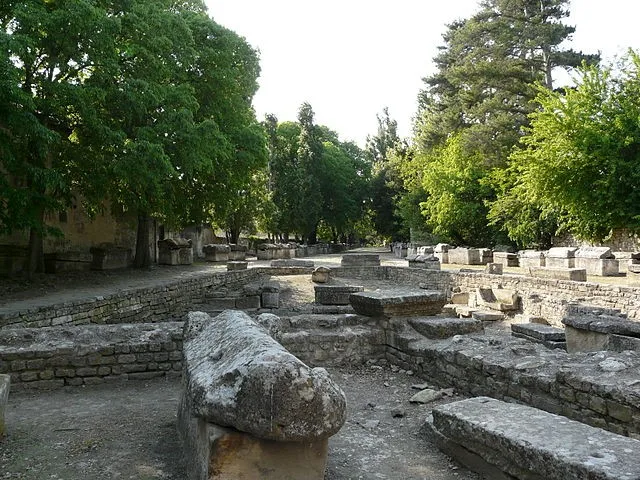
Nestled just outside the ancient walls of Arles lies Alyscamps : a vast and profoundly historic Roman necropolis. More than just a collection of tombs Alyscamps offers a poignant journey through nearly 1500 years of funerary practices, religious devotion, and artistic inspiration, earning its place as a UNESCO World Heritage site.
From Roman Road to Elysian Fields :
The name Alyscamps itself hints at its mystical significance derived from the Latin Elisii Campi, meaning Elysian Fields or Champs-Élysées. In Roman times it was customary to bury the dead outside city limits. Consequently the final stretch of the Aurelian Way leading to Arles’ city gates became lined with an extensive array of tombs and mausoleums. For centuries this solemn avenue served as the main burial ground for the wealthy and influential citizens of Arles : their memorials ranging from simple sarcophagi to elaborate monuments.
A Cradle of Early Christianity :
With the Christianization of Arles in the 4th century Alyscamps underwent a profound transformation evolving from a pagan burial ground into a renowned Christian necropolis. The interment of Saint Genesius, a Roman civil servant martyred in 303 CE for his Christian faith, and soon after Saint Trophimus considered the first bishop of Arles, elevated the site’s spiritual importance. Legend even claims that Christ himself attended Saint Trophimus’ funeral leaving the imprint of his knee on a sarcophagus lid. This sacred association made Alyscamps an incredibly desirable final resting place with bodies being transported from across Europe and Rhône boatmen profiting from the trade of coffins destined for its hallowed ground. By the 4th century thousands of tombs filled the necropolis.
Decline and Artistic Resurrection :
The prestige of Alyscamps began to wane in 1152 when Saint Trophimus’ relics were moved to the Arles Cathedral. Over the centuries that followed the necropolis suffered systematic looting. City councilors famously gifted sarcophagi to distinguished visitors and locals repurposed the ancient stones for building materials. Further encroachment by the construction of a railway line and a canal in the 19th century significantly altered its landscape reducing the once sprawling necropolis to the more defined avenue we see today.
However even in its reduced state Alyscamps retained a powerful allure captivating the imagination of writers and artists. Dante Alighieri immortalized it in his Inferno, and most notably, in October 1888, Vincent van Gogh og Paul Gauguin famously painted side-by-side amidst its ancient tombs and autumn foliage. Their works, such as Van Gogh’s “Falling Autumn Leaves (Alyscamps)” and Gauguin’s “Alyscamps,” captured the melancholic beauty and evocative atmosphere of the site ensuring its artistic legacy.
Visiting Alyscamps Today :
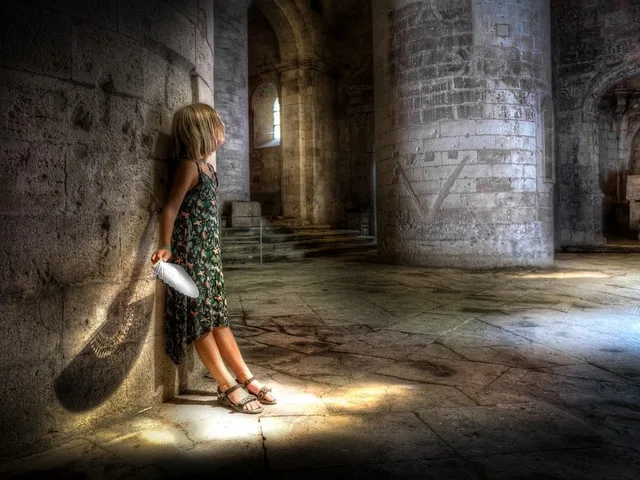
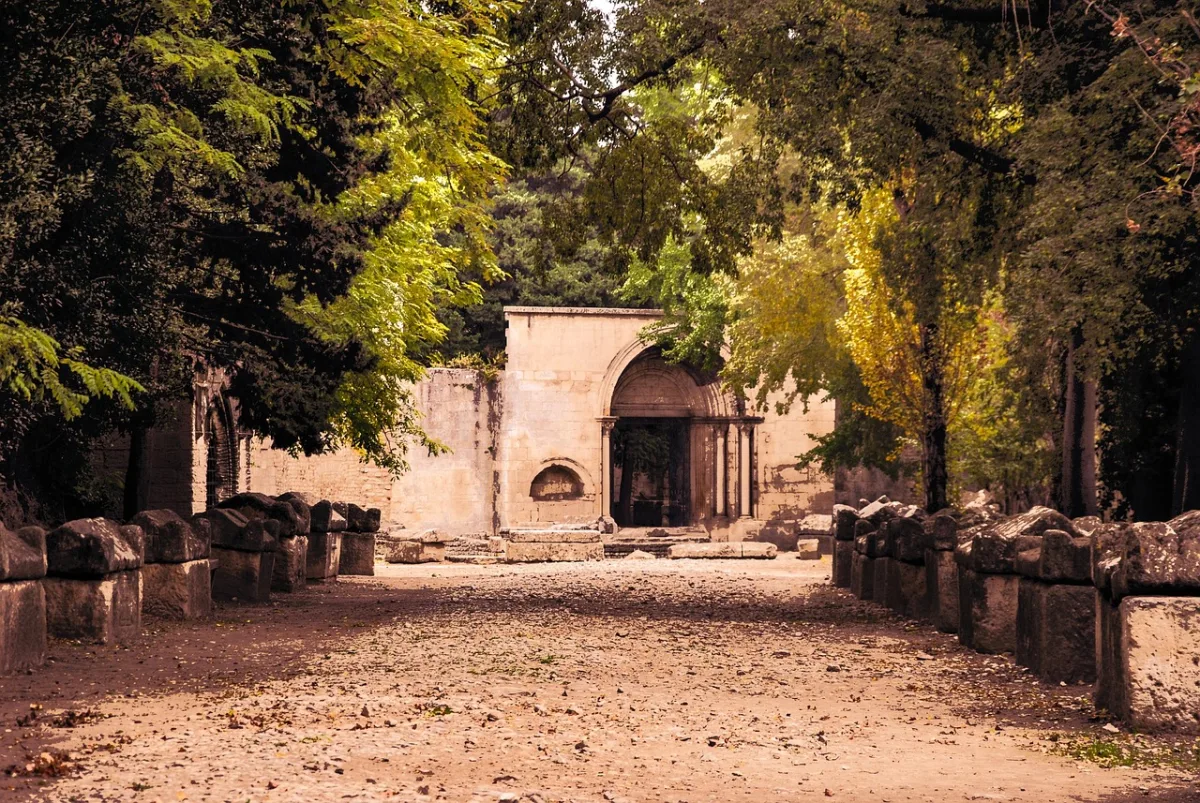
Today Alyscamps stands as a tranquil open-air museum a poignant testament to Arles’ layered history. Visitors can wander along the tree-lined path admiring the remaining weathered sarcophagi and the solemn beauty of the landscape. While many of the most intricately carved sarcophagi are now preserved in the Musée départemental Arles antique the site itself still offers a powerful sense of connection to the past.
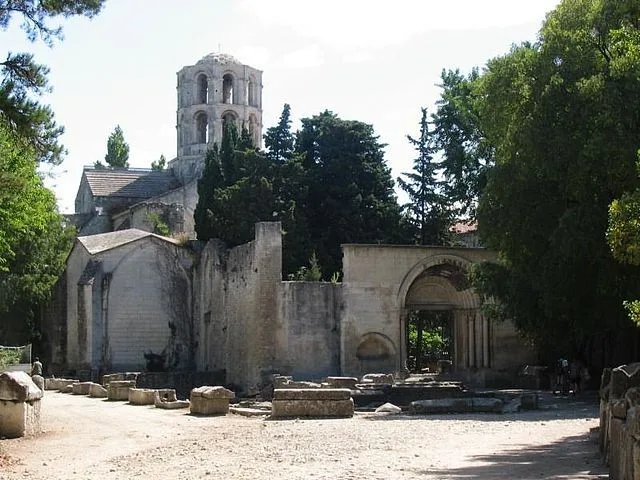
At the eastern end of the avenue stands the remarkably atmospheric 12th-century Church of Saint-Honorat. This church holds particular significance as it marks the starting point of one of the main French routes to Santiago de Compostela underscoring Alyscamps’ enduring spiritual role as a pilgrimage site.
A visit to Alyscamps is more than just a walk through a cemetery; it’s an immersive experience that invites contemplation on life, death, and the passage of time. It’s a place where Roman tradition, early Christian fervor, and the echoes of artistic genius converge, making it an essential and uniquely moving stop for anyone exploring the rich heritage of Arles.
Visitor Information :
Alyscamps is open year-round with varying hours depending on the season. A small admission fee is typically charged. For the most up-to-date information on opening hours and ticket prices it’s advisable to check by sending us a mail. Located a short walk from the city center it is easily accessible and offers a peaceful respite from the bustling Roman arenas and theatres of Arles.